Confindustria Presentation
Notes from the Enterprise AI Application panel at the Confindustria Bulgaria conference, where I discussed how AI and machine learning drive innovation in manufacturing and integrate with MRP/ERP systems like SAP.
 Teo ParashkevovPublished3 min read
Introduction
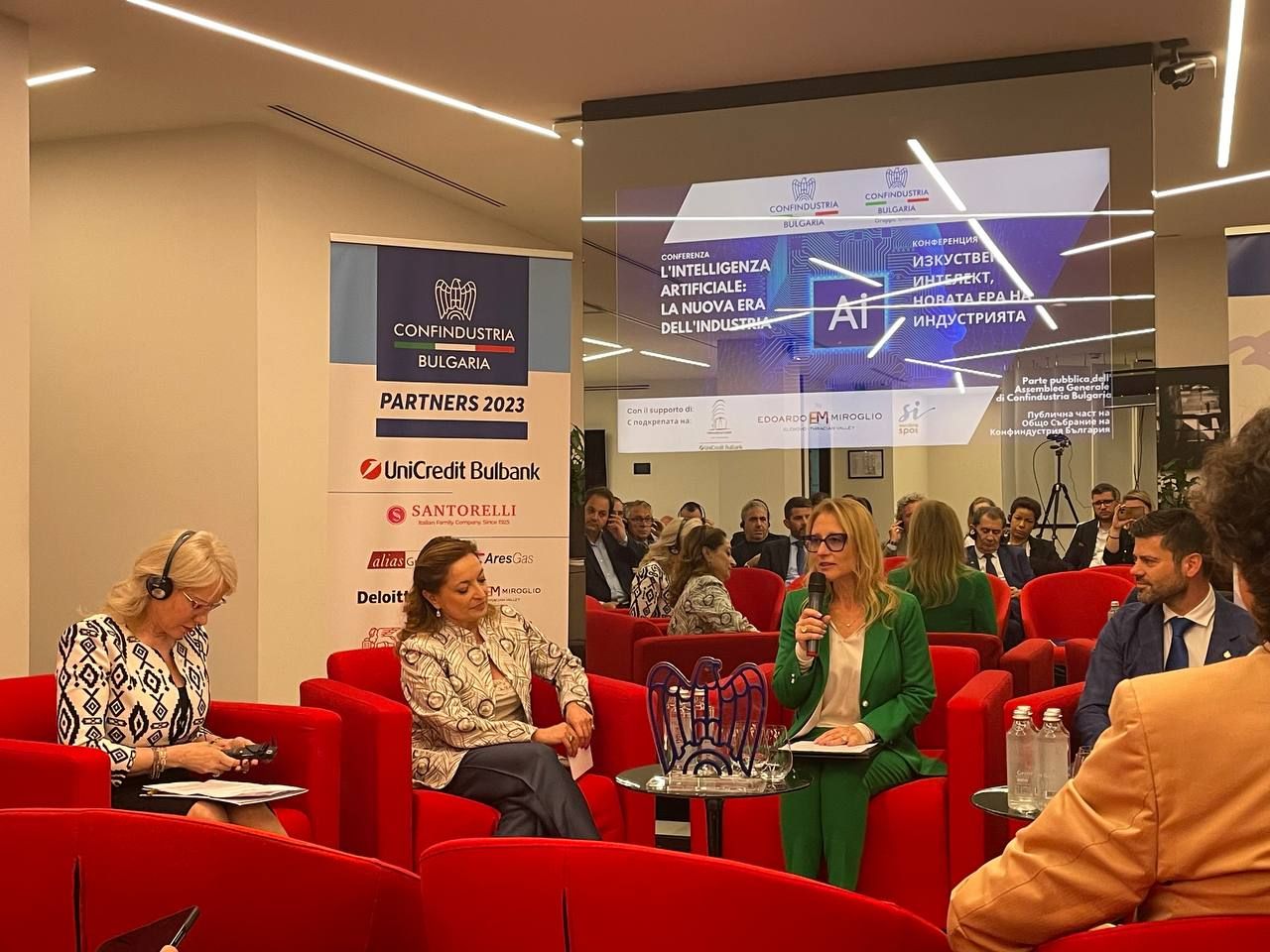
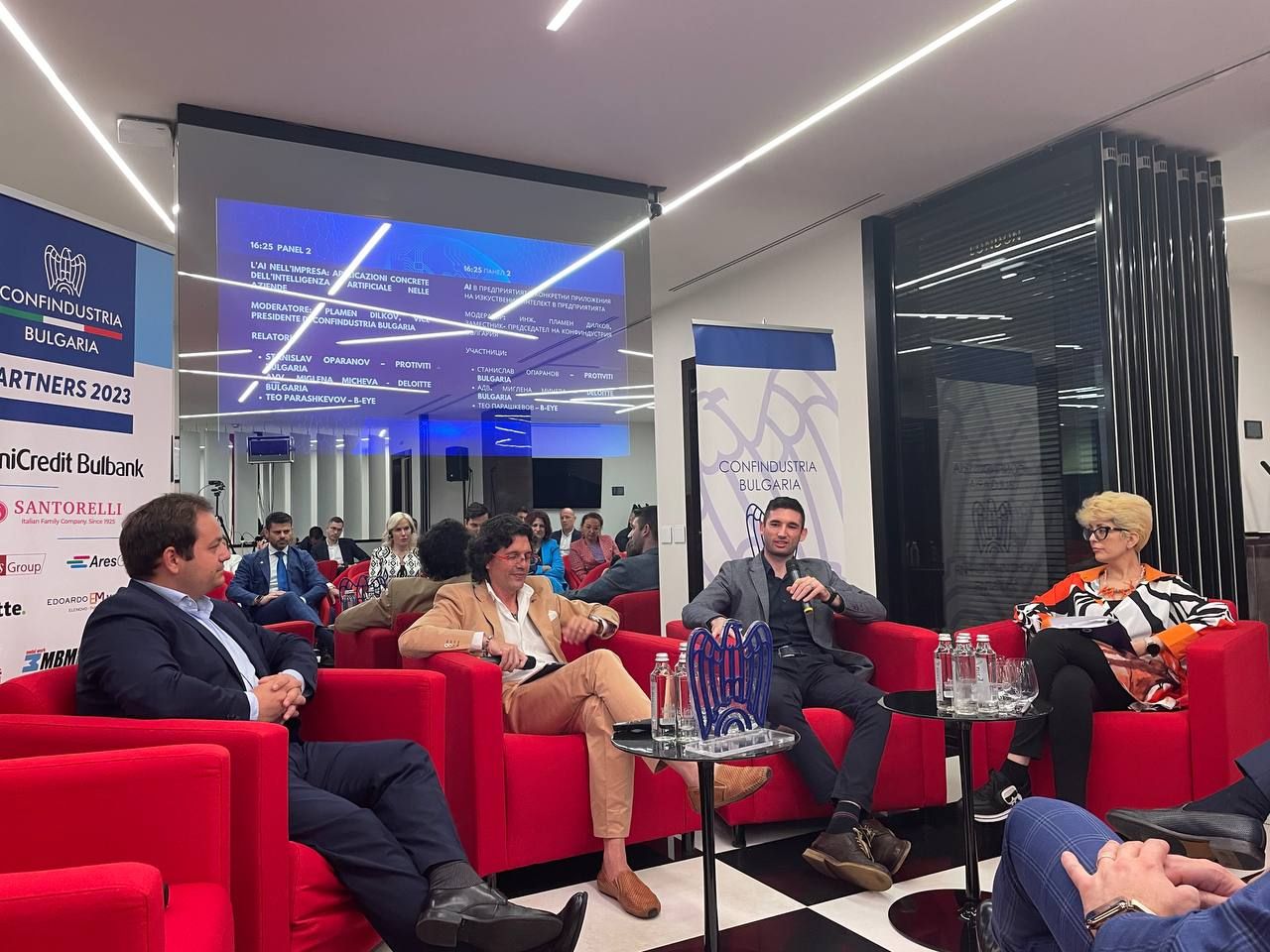
I recently had the honor of participating in the Enterprise AI Application panel at the conference organized by Confindustria Bulgaria, courtesy of an invitation extended by my esteemed friend Andrea Canto Meroni. The panel brought together distinguished individuals, including Mr. Stanislav Opranov, Director of Protiviti, and Mrs. Miglena Micheva, a respected lawyer and manager at Deloitte Legal. Together, we delved deep into the applications of AI and Machine Learning in the manufacturing domain, exploring its transformative potential and real-world implications.
AI in manufacturing
As the panel unfolded, I found myself drawn to discussing the pivotal role of AI in driving innovation within manufacturing. My focus encompassed a spectrum of critical aspects, ranging from combatting supply chain disruptions to optimizing resource allocation strategies. One of the key areas I emphasized was the utilization of AI methodologies like linear programming and neural networks to tackle the intricacies of manufacturing operations.
Linear programming and neural networks emerged as powerful tools in optimizing various facets of manufacturing processes. I highlighted how these methodologies serve as robust frameworks for decision-making, enabling the fine-tuning of production processes, logistics management, and resource allocation. Their utilization not only optimizes workflows but also minimizes costs while maximizing output, bolstering competitiveness in the market.
However, the true potential of AI in manufacturing lies in its seamless integration with business applications such as Material Requirements Planning (MRP) and Enterprise Resource Planning (ERP) systems, exemplified by SAP. This integration forms a cohesive ecosystem where AI algorithms synergize with existing infrastructure, enabling manufacturers to make data-driven decisions in real-time.
During the discussion, I emphasized how this integration facilitates predictive analytics for demand forecasting, empowers proactive inventory management to combat shortages, and optimizes resource allocation for enhanced operational efficiency. The harmonization of AI methodologies with established MRP/ERP systems stands as a testament to the transformative potential that technology holds for the manufacturing sector.
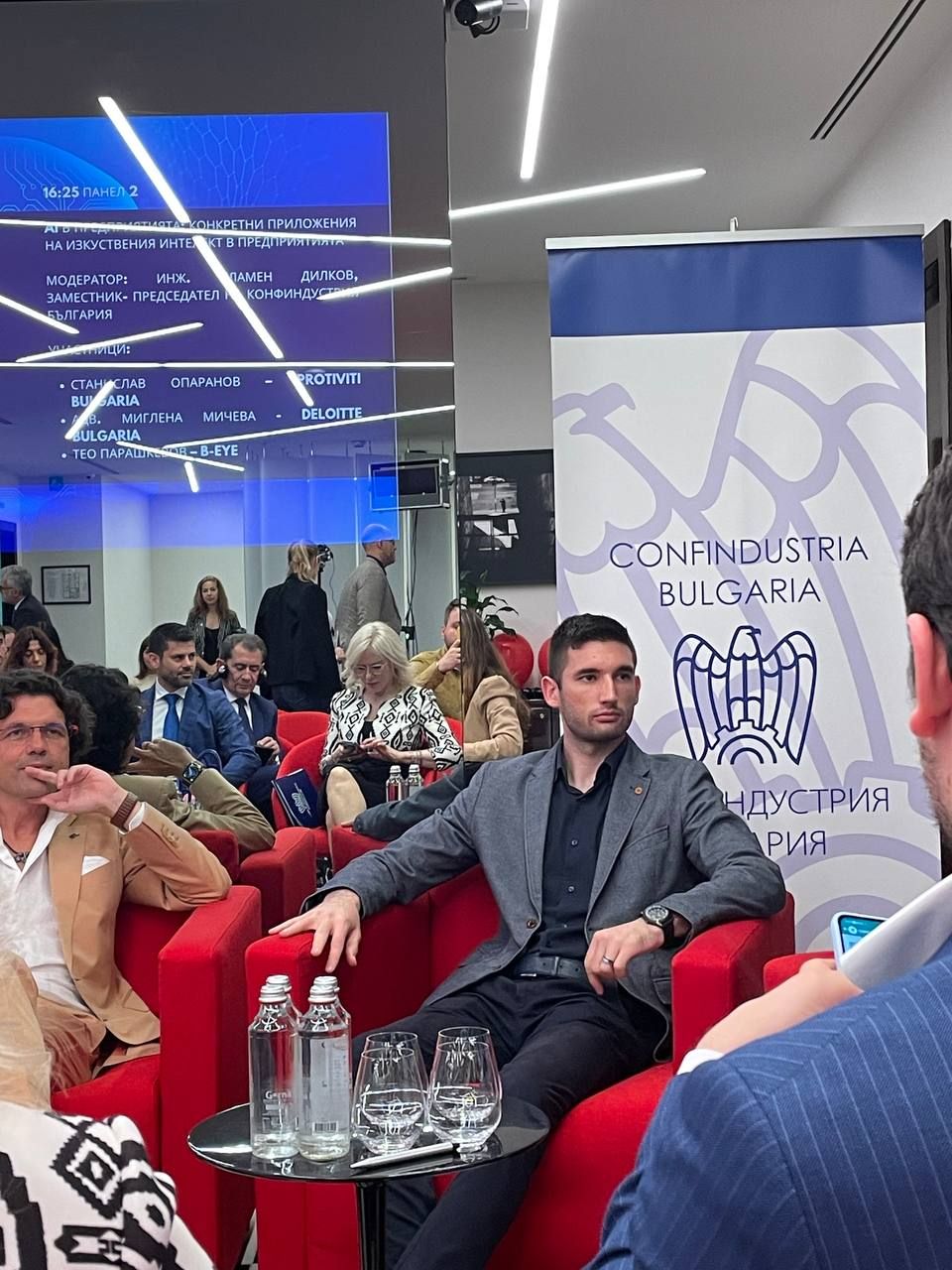
The enthusiasm and engagement from the audience further underscored the hunger for practical insights into leveraging AI in manufacturing. Witnessing the resonance of our discussions and the eagerness of attendees to harness AI’s transformative power was truly gratifying.
Final Thoughts
In conclusion, the convergence of AI methodologies and their integration with core business applications like SAP holds immense promise for the manufacturing industry. It’s not merely about adopting cutting-edge technology; it’s about leveraging it intelligently to drive sustainable growth, efficiency, and resilience in an ever-evolving market landscape.
I am immensely grateful for the opportunity extended by Andrea Canto Meroni and humbled to have been part of such an esteemed panel. The conference reinforced the importance of collaborative dialogue in shaping the future of manufacturing through the lens of AI and technological innovation.
As I continue my journey exploring the frontiers of AI in manufacturing, I remain committed to contributing to the ongoing dialogue, striving to pave the way for a more efficient, responsive, and technologically empowered manufacturing sector.